Water Damage Restoration
After the water, a clear path back to normal.
A burst pipe or ceiling leak is stressful, and water keeps travelling long after it stops being visible. A restoration specialist helps you understand what has been affected, dries the structure properly and restores the space, with records that can support an insurance claim.
Recognise it
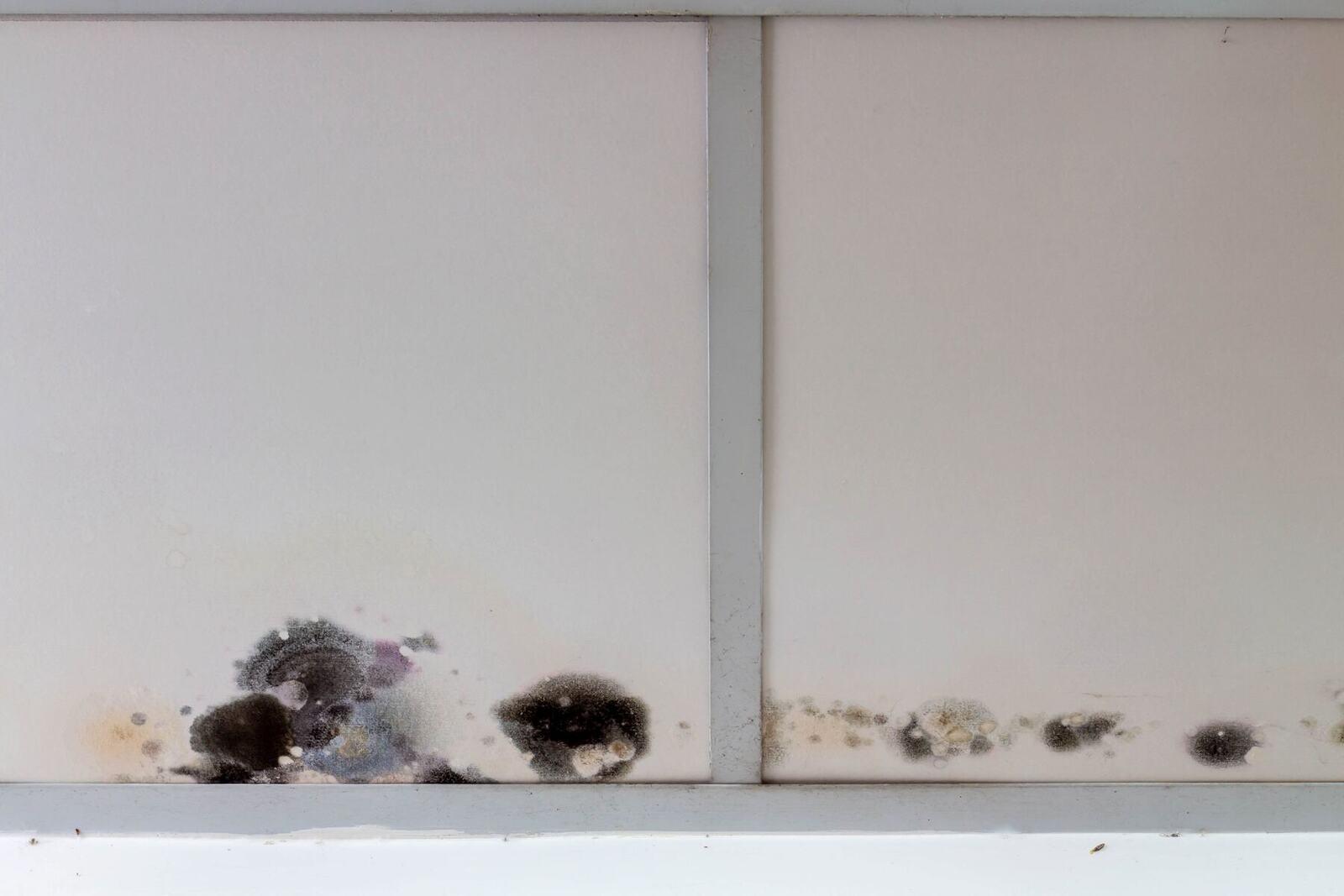
Signs to look out for
If several of these sound familiar, it's worth having the cause properly assessed.
- Brown rings or sagging on ceilings
- Swollen skirting boards, flooring or kitchen plinths
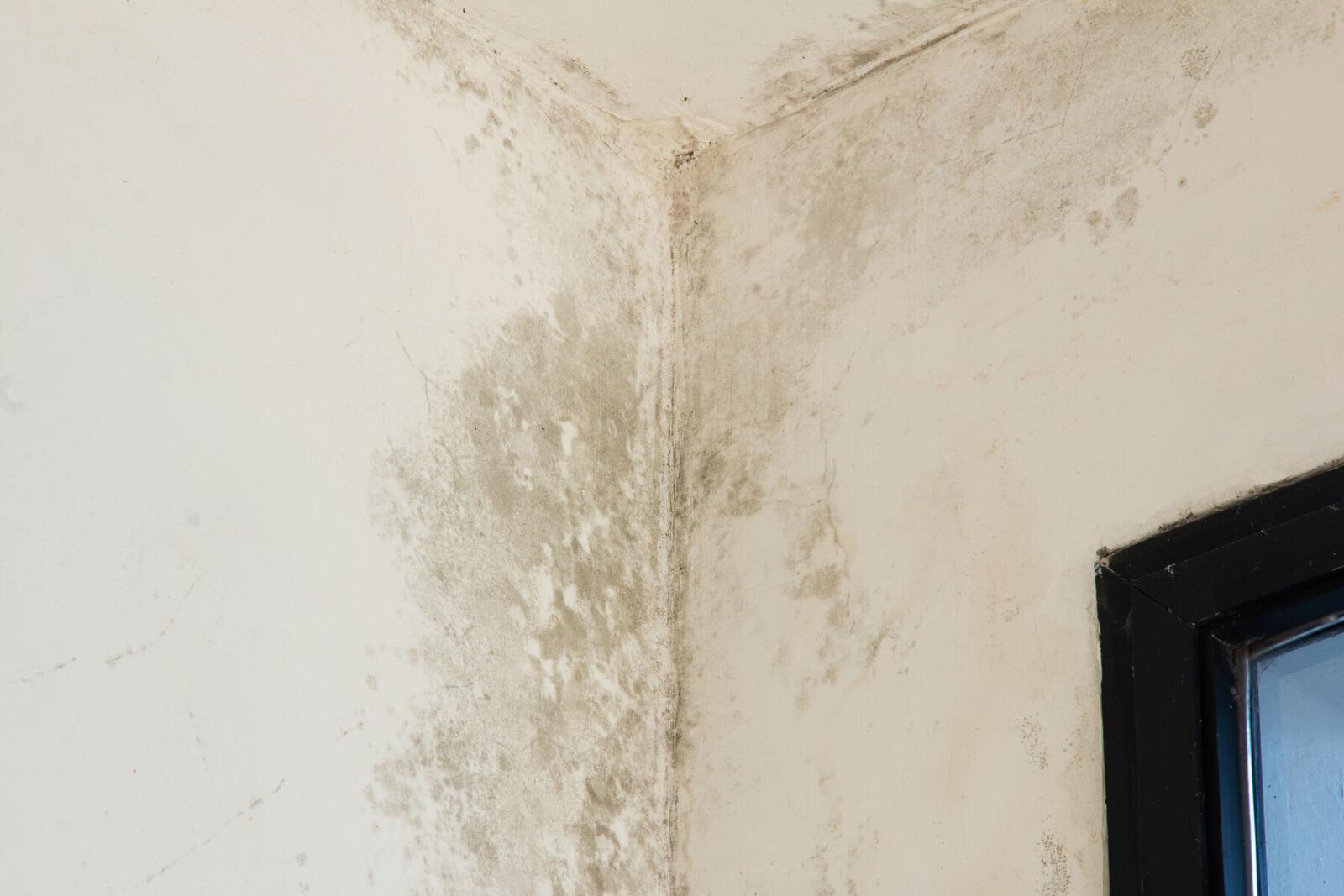
- Wet patches around windows after rain
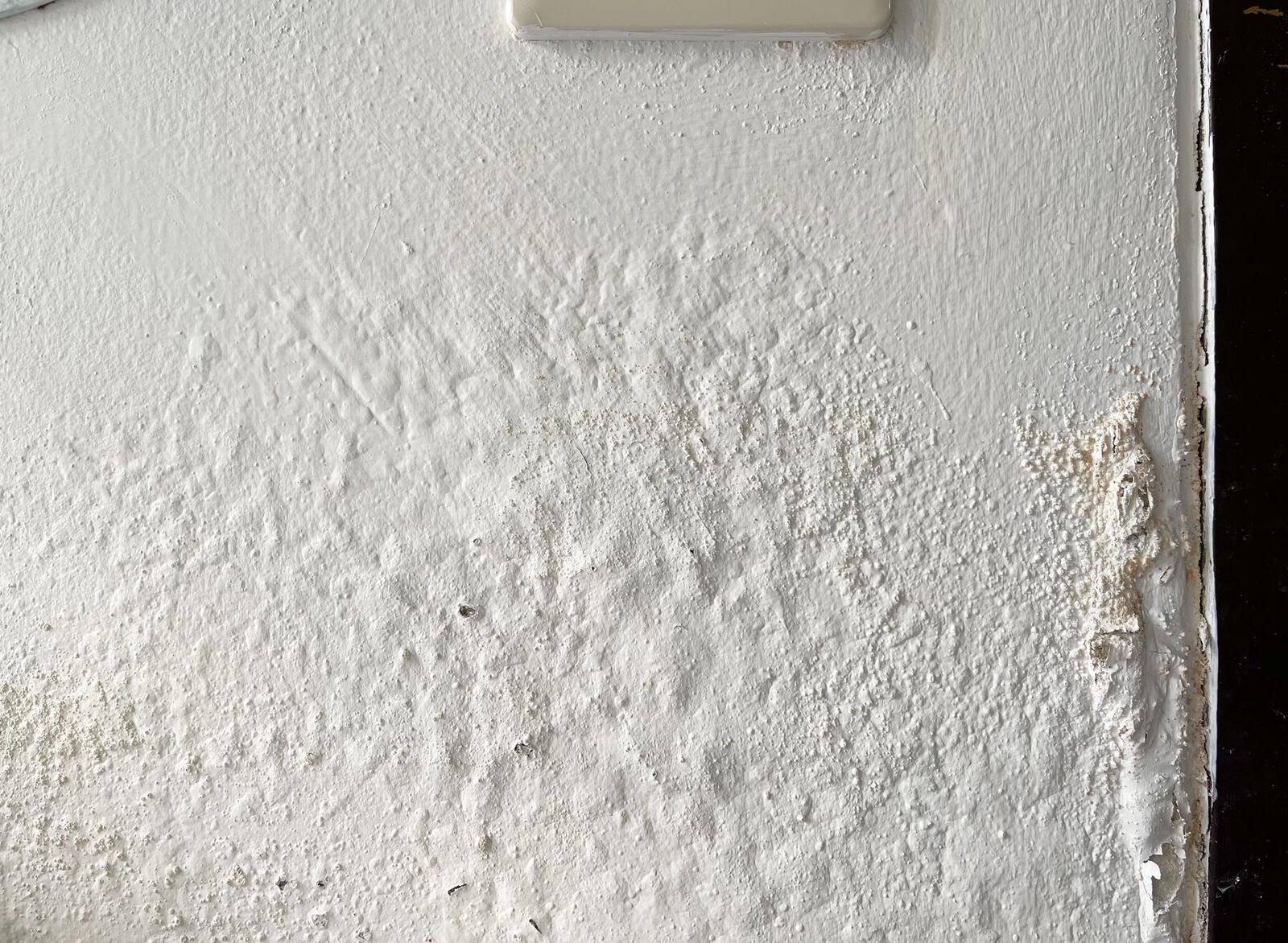
- Bubbling paint or wallpaper lifting from walls
- Unexplained rise in your water bill
- Lingering damp smell after a leak was repaired
Understand it
What usually causes it
Escape of water
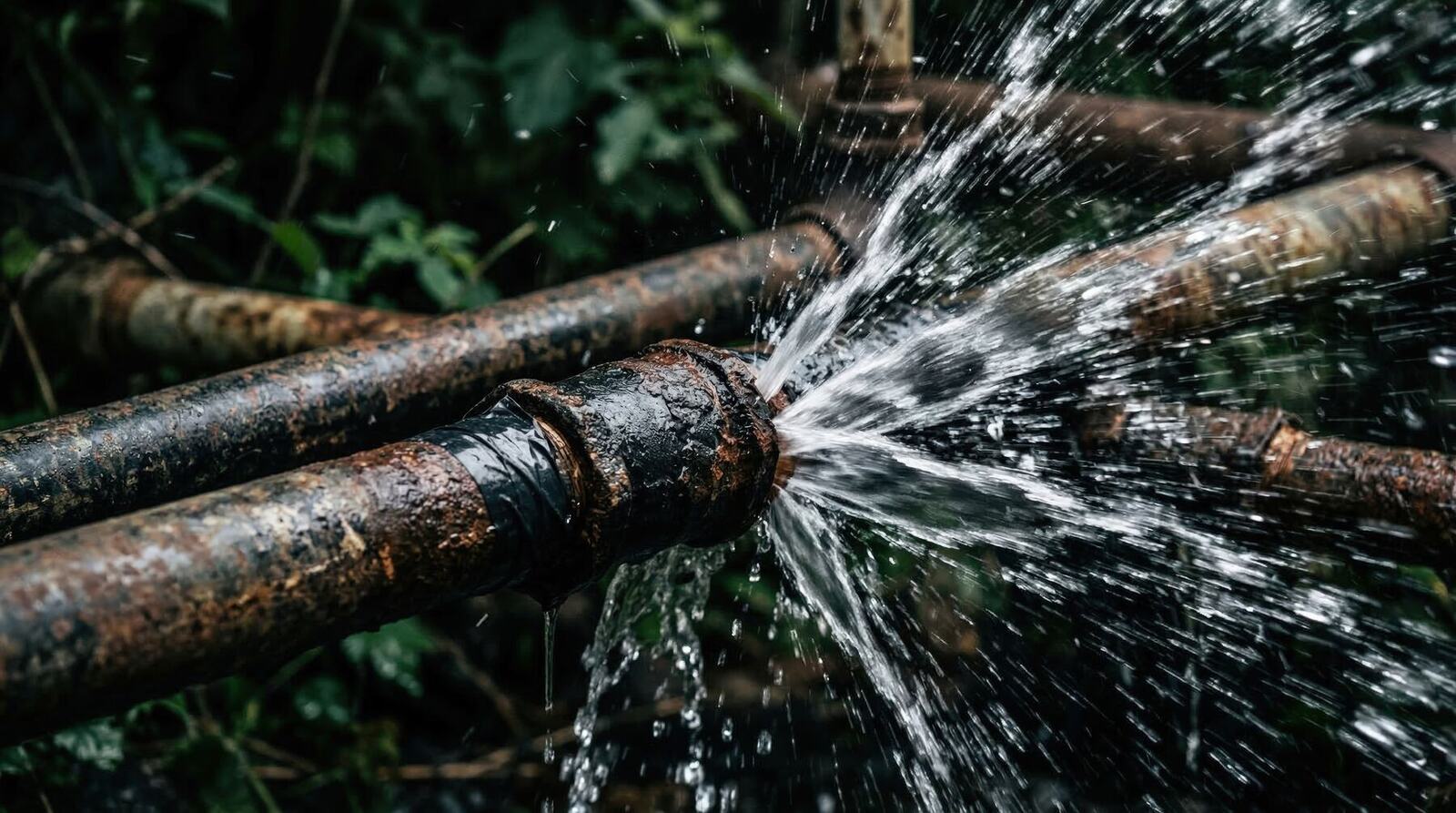
Burst or leaking pipes, failed appliance hoses, tank and cylinder failures, often hidden beneath floors or inside walls.
Roof and window leaks
Damaged roof coverings, flashings and deteriorated window seals letting rain into ceilings and walls.
Flooding
Surface water, groundwater and drainage backflow, which may also need cleaning and sanitising before drying begins.
The process
How water damage restoration works
Stage 1
Assess and stabilise
Affected areas identified, services made safe and hidden moisture under floors and inside walls traced.
Stage 2
Structural drying
Controlled drying with dehumidification and air movement, monitored with moisture readings until the structure is dry.
Stage 3
Documentation
Photographs and readings recorded throughout, useful for discussions with your insurer or loss adjuster.
Stage 4
Restoration
Damaged plaster, flooring and fittings repaired or replaced so the property is safe and comfortable again.
While you wait
Sensible things you can do now. None of these replace a proper assessment.
- Turn off the water at the stopcock if a pipe has burst
- Keep away from electrics affected by water, and switch off power if safe to do so
- Move valuables and furniture away from wet areas
- Photograph everything before clearing up, for your insurer
Questions people often ask
Can you work with my insurer?+
Moisture readings and photographs are recorded and can support your claim. Whether a claim is accepted is always a decision for your insurer.
How long does drying take?+
It depends on materials, how long they were wet and the type of water involved. Readings are monitored rather than guessed, and you are kept informed throughout.
Is this an emergency service?+
If water is actively escaping, isolate the supply and contact a plumber first. Then send your enquiry so drying and restoration can be arranged.
Related services

Free, no-obligation quote