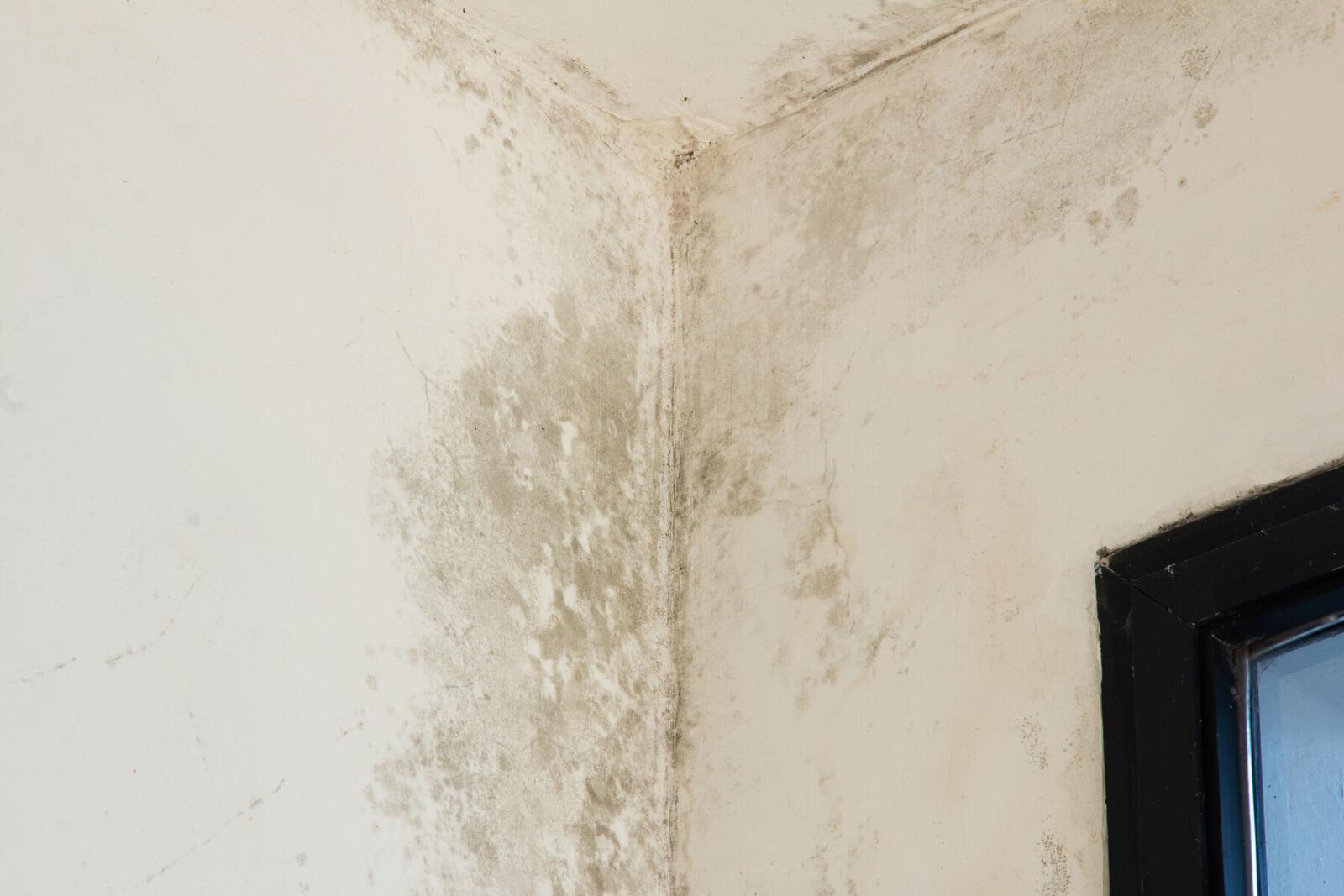
Quick answer: what a damp and mould specialist costs in 2027
Most UK households should budget £150 to £350 for a damp or mould survey, £200 to £500 to treat mould in one room, and £750 to £1,500 to treat mould across a typical three-bedroom house. Fixing the cause costs extra: a positive input ventilation (PIV) unit for condensation is usually £400 to £1,200 fitted, while a full rising damp treatment with replastering typically runs £1,500 to £5,000.
These figures come from published UK price guides, compared side by side and checked on 15 November 2026, so they are a sound basis for budgeting into 2027. The single biggest factor in what you pay is the cause of the damp, which is why a proper diagnosis comes before any quote worth trusting.
Damp and mould price table by job (UK, 2027 budgeting)
Typical ranges for the jobs a damp and mould specialist is most often asked to price. Where sources disagree, the table shows the range most of them overlap on.
| Job | Typical UK price | What it usually covers |
|---|---|---|
| Damp or mould survey | £150–£350 | Inspection, moisture readings and a written diagnosis. Often credited against the work if you go ahead. |
| Mould treatment, one room | £200–£500 | Fungicidal treatment and clean-down. Redecorating and fixing the cause are extra. |
| Mould treatment, whole house | £750–£1,500 (up to about £3,000 for severe cases) | Treatment across a typical three-bedroom home. |
| Extractor fan, fitted | £100–£250 | Replacement kitchen or bathroom fan, ideally humidity-sensing. |
| PIV unit (condensation control) | £400–£1,200 fitted | Whole-house ventilation; heated or wall-mounted units sit at the top of the range. |
| Penetrating damp repair | £350–£1,000 per wall (up to £3,000+ depending on the fault) | Pointing, render, gutters, seals or roof defects, plus making good. |
| Chemical damp-proof course (DPC) | £60–£120 per linear metre | Injection only. Replastering is usually extra and is often the bigger cost. |
| Rising damp, full treatment | £1,500–£5,000 | DPC plus replastering for a typical terraced or three-bed house. |
| Replastering after damp work | £450–£800 per room | Hacking off and renewing salt-contaminated plaster. |
| Basement or cellar tanking | £4,000–£14,000 | Below-ground waterproofing to BS 8102. |
Prices checked 15 November 2026 against the sources listed at the end of this guide. Some sources include VAT and some exclude it.
How the UK price guides compare
No single price guide tells the whole story, because each one draws on different data: some on quotes posted through their own platform, some on contractor surveys, some on their own editorial research. Comparing them side by side shows where the real middle of the market sits.
| Job | Checkatrade | Less.co.uk | MyJobQuote | Others |
|---|---|---|---|---|
| Mould, one room | £200–£400 (average £300) | £200–£500 (typical £300) | £220–£280 for minor treatment of a large room | n/a |
| Mould, whole house | £700–£3,000 (average £1,200) | £750–£1,500 for a three-bed | £725–£1,100 | n/a |
| Damp survey | n/a | £150–£350 | n/a | Rated People: £150–£350 |
| Rising damp treatment | n/a | £1,500–£3,500 for a full DPC on a three-bed, with replastering | Average around £3,250 | BestBuilders: £1,500–£4,000 whole-house DPC with replastering; Trade2Base: £2,500–£5,000 for a typical three-bed terrace |
| PIV unit | n/a | £500–£1,000 loft unit; £800–£1,500 heated or wall-mounted | n/a | BestBuilders: £400–£1,200 installed |
What this tells you: mould treatment prices cluster tightly (roughly £200 to £500 a room), so a quote far outside that range deserves a question. Rising damp prices vary far more, because the amount of replastering varies so much from house to house. That is also where mis-selling risk is highest, which we cover in how to choose a specialist.
London vs the rest of the UK
Labour and access costs push London prices up. Checkatrade's figures for Greater London put the average mould removal job at around £926 (typically £606 to £1,418) and condensation control at around £879 (typically £393 to £1,765). Compare that with its national range of £200 to £400 for a single room, and it's clear that London jobs are both larger on average and priced higher.
For budgeting, assume London and the South East will sit towards the top of every national range in this guide. Our estimator below adds 15% for those regions; that uplift is our own working assumption, not a published figure.
What changes the price
1. The cause of the damp
This matters more than anything else. Condensation is usually fixed with ventilation and heating changes costing a few hundred pounds, while a confirmed rising damp problem across several walls can run into thousands. A damp meter on its own cannot tell condensation from rising damp, so beware of anyone quoting for treatment from meter readings alone.
2. How far it has spread
Surface mould on paint is a clean-and-treat job. Once mould or salts have got into plaster, timber or insulation, those materials may need replacing, and the job grows from hours into days.
3. Replastering and making good
On rising and penetrating damp jobs, the treatment itself is often the smaller part of the bill. Hacking off and renewing plaster, then redecorating, can add £450 to £800 and £230 to £450 per room respectively.
4. Access and property type
Lofts, cellars, high ceilings and rooms full of fitted furniture all add time. Older solid-walled properties may need breathable, lime-based materials, which cost more than modern gypsum plaster.
5. Where you live
As above, London and the South East run noticeably higher than the national ranges.
How long each job takes
Most of the time in a damp job isn't the specialist on site; it's the wall drying out afterwards. Plan for that before you book decorators or put a property back on the rental market.
| Stage | Typical time | Notes |
|---|---|---|
| Damp or mould survey | 1–3 hours on site | Written findings usually follow within days. |
| Mould treatment | 1–5 days | One room is often a single visit; whole-house jobs take longer. |
| Damp proofing a wall | 2–7 days | Depends on method and how much plaster comes off. |
| Chemical DPC injection | About 1 day to drill and inject | Followed by roughly 6–12 weeks of drying. |
| Wall drying after rising or penetrating damp | Weeks to months | Very wet, thick walls can take 6–12 months to dry fully. |
| New plaster before decorating | Commonly 4–6 weeks | Longer in winter. Decorate too early and damp can show through. |
| Basement tanking | 1–3 weeks | Works only; drying and fit-out come after. |
Seasonal tip: condensation mould peaks once the weather turns cold, which is also when specialists are busiest. If you are planning work for 2027, booking a survey before the winter rush gives you more choice of dates.
Damp and mould cost estimator
Choose your situation to get a budgeting range built from the price table above. It's a guide, not a quote: the cause, confirmed by a survey, decides the real price.
Damp and mould cost estimator
Estimated range
£400 – £1,000
Usually 1 to 2 days on site
Free and no obligation
How this estimate works
- Base ranges are taken from the price table in this guide (published UK price guides, checked 15 November 2026).
- Property size multiplies whole-home and rising damp jobs by 0.8 (flat), 1.0 (2 to 3-bed) or 1.35 (4-bed or larger). These multipliers are our own assumption.
- London and the South East add 15%. Published London quotes run above national averages; the exact uplift is our assumption.
- Some sources quote with VAT and some without. Always ask whether a quote includes VAT.
- This is a budgeting guide, not a quote. The real price depends on the cause, which only a survey can confirm.
Ways to hire a damp and mould specialist, compared
There are several routes to getting the work done. Each has a place; the right one depends on how sure you are of the cause and how much time you have.
| Route | Survey cost | Strengths | Watch out for |
|---|---|---|---|
| Damp-proofing company with a free survey | Usually £0 | Quick to arrange; one firm surveys and quotes. | The surveyor is also selling the cure, so the survey is not impartial. Ask why the proposed treatment suits your cause. |
| Independent damp surveyor | £150–£350 | Impartial diagnosis; especially worth it when buying a property or when quotes disagree. | You still need a contractor to do the work afterwards. |
| Quote and directory sites | Free to post | Several quotes to compare. | Your details may go to several firms at once (some platforms share each job with up to three or five trades), so expect multiple calls. |
| General builder or handyman | Varies | Can be good value for simple external repairs such as gutters or pointing. | May not have damp-diagnosis training. Fine for a known fault, risky for an unknown cause. |
| Homes Recovery | Free to request | One vetted, insured specialist covering your area, cause diagnosed before any treatment is quoted. | Like any quote, it's worth comparing for larger jobs. We would rather you do. |
How to choose a damp and mould specialist
Damp treatment is one of the most frequently mis-sold jobs in UK property, so a few checks are worth the time:
- Diagnosis before treatment. A good specialist explains which type of damp you have, how they know, and why the proposed fix matches it.
- Be wary of instant rising damp verdicts. A recommendation to inject a DPC after a ten-minute visit with only a moisture meter is a red flag.
- Industry membership and qualifications. Membership of the Property Care Association (PCA), and surveyors holding its CSRT qualification, are good signs.
- A written, itemised quote. Diagnosis, treatment, replastering and decorating should be separate lines so you can compare like with like.
- Guarantee terms in writing. Ask what is guaranteed, for how long, and whether the guarantee is insurance-backed if the firm stops trading.
- Insurance. Public liability cover is the minimum for anyone working in your home.
Landlords and tenants: what changes in 2027
Social housing: Awaab's Law is already in force
Since 27 October 2025, social landlords in England have had legal deadlines for significant damp and mould. Under the government's guidance they must investigate within 10 working days, give tenants a written summary within 3 working days of the investigation ending, and make the home safe within 5 working days of the investigation concluding. Emergency hazards must be investigated and made safe within 24 hours.
Private landlords: coming, but no confirmed date yet
The Renters' Rights Act 2025 gives the government the power to extend Awaab's Law to private rented homes. A consultation on how to do that runs until 18 December 2026. The government has described 2027 as the earliest feasible start, but no date has been confirmed, and the consultation's own working assumption is a phased rollout from 2028.
Private landlords are not off the hook in the meantime: existing law already requires rented homes to be fit to live in and free from serious hazards such as severe damp and mould, and councils can enforce it. In practice, landlords and letting agents who build fast survey-and-repair routines now will be ready whichever date is chosen.
If you rent
Report damp and mould to your landlord in writing, with dated photos, and keep copies. If nothing happens, your local council's environmental health or private housing team can inspect. Social housing tenants can also escalate to the Housing Ombudsman.
What you can do yourself (and when to call someone)
- Wipe small patches of surface mould with a suitable mould remover, wearing gloves and a mask; don't dry-brush it, which spreads spores.
- Cut indoor moisture: lids on pans, extractor fans on (and left running afterwards), and dry washing outside or in a ventilated room.
- Keep furniture a few centimetres off external walls so air can move behind it.
- Check gutters, downpipes and outside walls for obvious leaks after heavy rain.
- Anti-mould paint only helps once ventilation is fixed; on its own it hides the problem rather than solving it.
Call a specialist if mould keeps coming back, covers more than a small patch, appears alongside tide marks or crumbling plaster, or if anyone in the home is very young, elderly or has breathing problems.
Frequently asked questions
Is a damp survey worth paying for?
Usually, yes. At £150 to £350 it's small next to the cost of treating the wrong problem, and many firms credit the fee against the work if you go ahead with them.
How much does black mould removal cost?
Typically £200 to £500 for one room and £750 to £1,500 for a whole three-bedroom house, before fixing the moisture that caused it. Severe whole-house jobs can reach around £3,000.
Will insurance pay for damp or mould?
Most home insurance policies exclude gradual damp and condensation, while sudden events such as a burst pipe are commonly covered. Check your own policy wording before assuming either way.
Who pays for damp and mould in a rented home?
Repairs to the structure and exterior, and problems that make a home unfit to live in, are generally the landlord's responsibility. Tenants are expected to use the property reasonably, for example by ventilating.
Does a PIV unit really stop mould?
For whole-house condensation it is one of the most effective fixes, because it gently replaces moist indoor air with filtered, drier air. It won't fix rising or penetrating damp, which need the water source dealt with.
Will 2027 prices be higher than these?
Labour and material costs have been rising steadily, so treat these ranges as a floor rather than a ceiling, and get a dated quote. We review this guide's figures when the underlying price guides change.
Sources
Prices and timescales compiled from the following, checked 15 November 2026. Figures are national ranges, not quotes.
- Checkatrade: mould removal cost guide (last updated June 2026)
- Checkatrade: mould control in Greater London, average costs
- Less.co.uk: mould removal cost UK 2026 (updated 27 October 2026)
- Less.co.uk: damp proofing cost 2026
- MyJobQuote: mould removal cost (updated 11 September 2026)
- MyJobQuote: rising damp treatment cost
- MyJobQuote: damp proof course cost
- BestBuilders: damp proofing cost UK 2026 (reviewed June 2026)
- Rated People: damp proofing cost 2026
- Trade2Base: how to price damp course and damp proofing (July 2026)
- MyBuilder: damp proofers, costs and timings
- Peter Cox: rising damp treatment FAQ
- HaMuch: damp proofing cost and timescales
- MyBuilder Q&A: decorating after damp-proof plastering
- Goodlord: Awaab's Law PRS consultation (19 October 2026)
- Homeless Link: Awaab's Law implementation timeline
- August: Awaab's Law and private landlords
- GOV.UK: Awaab's Law guidance for tenants in social housing (updated 4 December 2025)
- GOV.UK: clampdown on dangerous homes (Awaab's Law PRS consultation)
- GOV.UK: Renters' Rights Act 2025 implementation roadmap
Related services: mould solutions, damp solutions and water damage restoration.