Mould Solutions
Clear the mould. Then remove its reasons to return.
Mould is a sign of excess moisture, and cleaning it off without changing the conditions usually means it returns within weeks. Growth is removed safely, then ventilation, humidity and any water ingress that allowed it to form are put right.
Recognise it
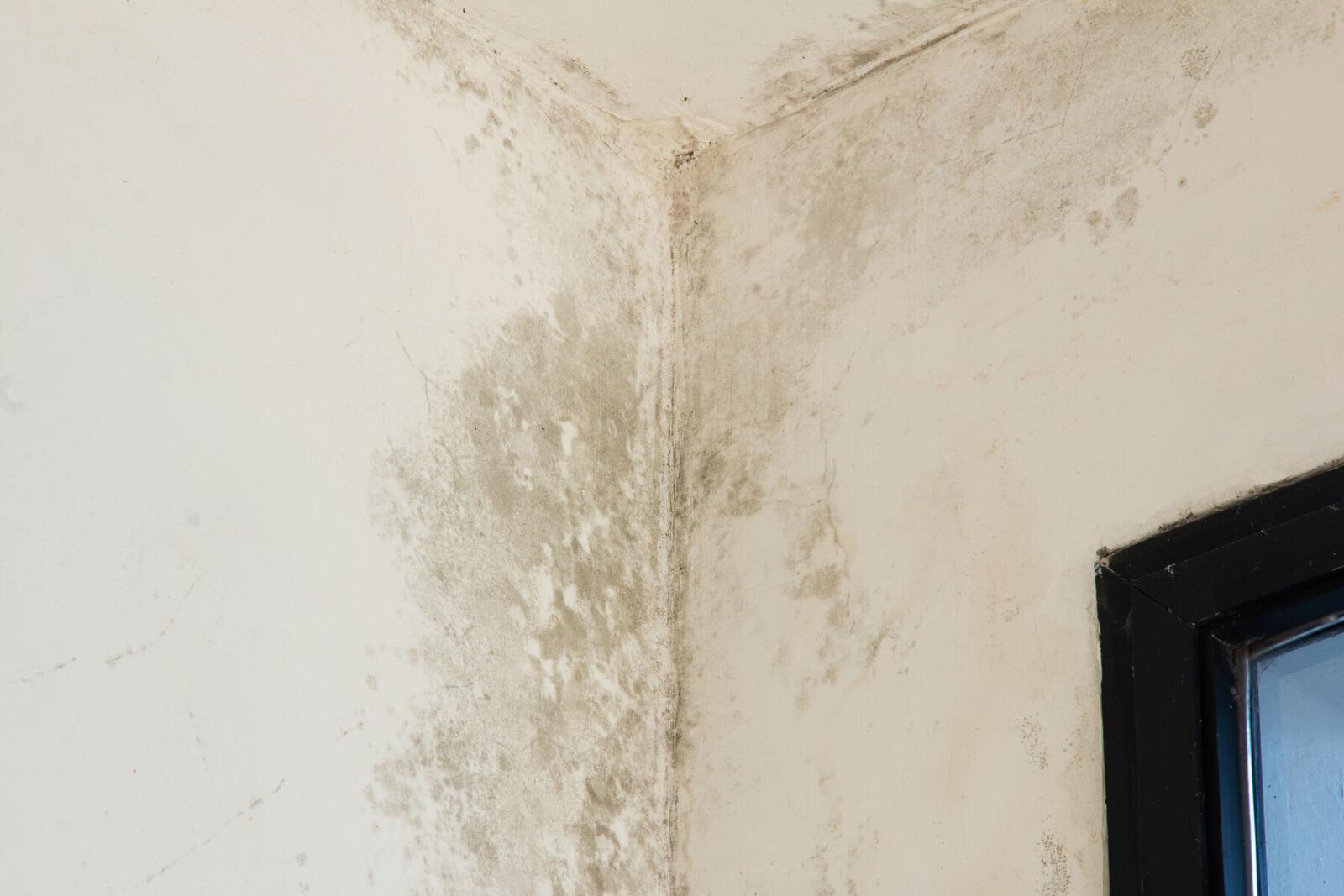
Signs to look out for
If several of these sound familiar, it's worth having the cause properly assessed.
- Black or green spotting on walls, ceilings or window reveals
- Mould behind furniture, wardrobes or in corners of rooms
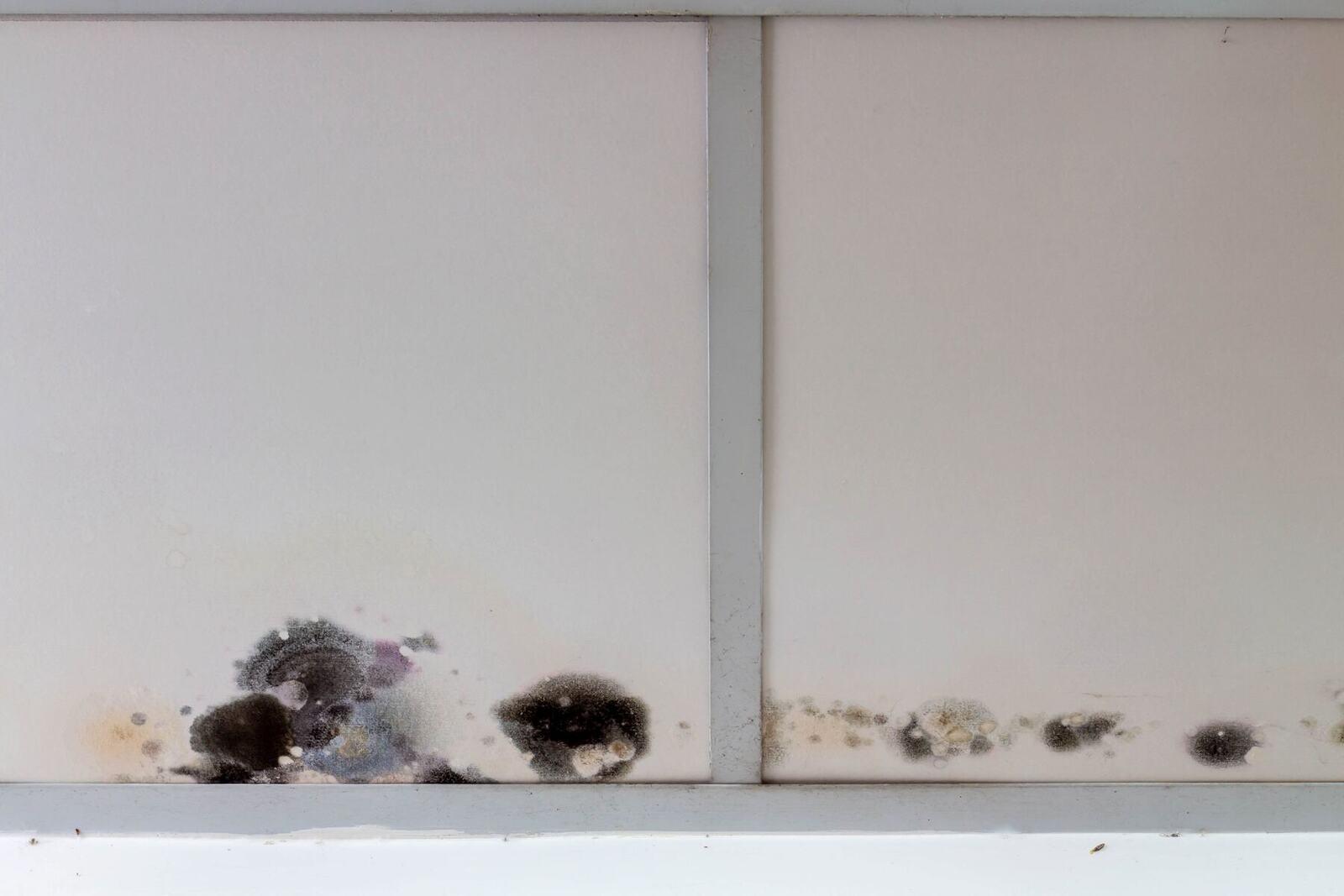
- Discoloured or mouldy silicone in bathrooms and kitchens
- An earthy, musty odour, especially in closed rooms
- Fabrics, shoes or stored items developing mould
- Growth that returns soon after being cleaned
Understand it
What usually causes it
Poor ventilation
Moist air from showers, cooking and drying laundry has nowhere to go, settling as condensation on the coldest surfaces.
Cold spots
Thermal bridges, missing insulation and corners with little airflow allow moisture to condense and mould to establish.
Hidden water
Slow leaks, roof defects and penetrating damp can sustain mould inside walls and ceilings long before it becomes visible.
The process
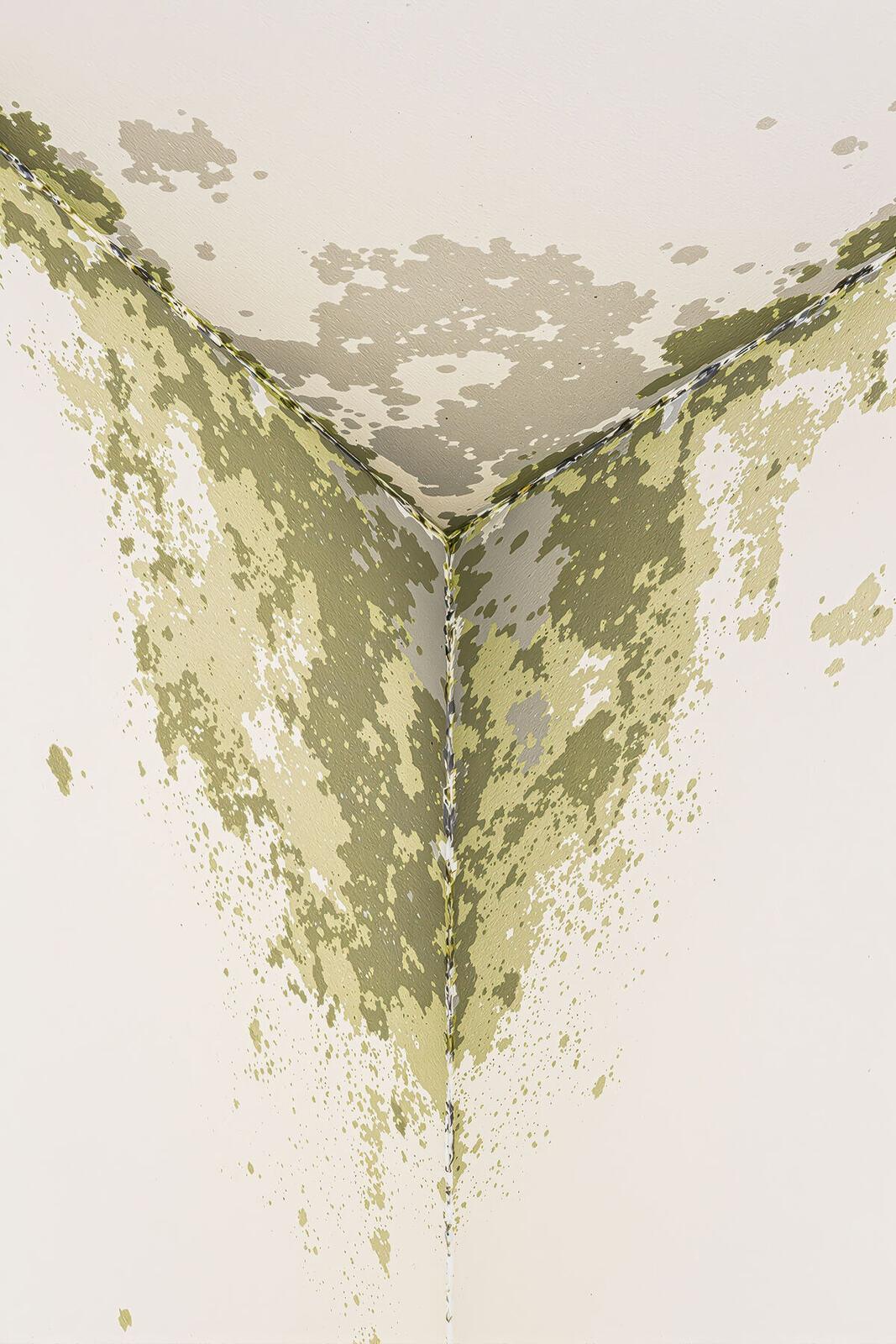
How mould solutions works
Stage 1
Inspection and humidity readings
Where the growth is, how far it extends, and what moisture conditions are feeding it.
Stage 2
Safe, contained removal
Affected surfaces are treated with appropriate protection to avoid spreading spores to other rooms.
Stage 3
Fixing the conditions
Recommendations may include extractor fans, positive input ventilation, insulation improvements or repairs to leaks.
Stage 4
Protective finishing
Surfaces are made good with suitable finishes, plus practical advice to keep the room dry.
While you wait
Sensible things you can do now. None of these replace a proper assessment.
- Avoid dry brushing mould, which can release spores into the air
- Keep bathroom doors closed while showering, with the fan on
- Ventilate rooms where clothes are dried indoors
- Seek medical advice if anyone in the home has breathing difficulties
Questions people often ask
Can I just clean the mould myself?+
Small, surface patches can often be cleaned carefully. If mould is widespread, keeps coming back, or anyone in the home is vulnerable, it is worth having the cause professionally assessed.
Do you help landlords and housing providers?+
Yes. Residential landlords, letting agents and commercial property managers can get a clear written assessment and a practical plan for their tenants.
Will the mould come back?+
That depends on whether the moisture source is resolved. The work focuses on the cause so that recurrence is far less likely, with honest advice on the habits that help.
Related services

Free, no-obligation quote